San Gimignano and its UNESCO World Heritage Recognition
In 1990, San Gimignano became a UNESCO World Heritage Site, a recognition that consecrates its universal value and extraordinary historical integrity.
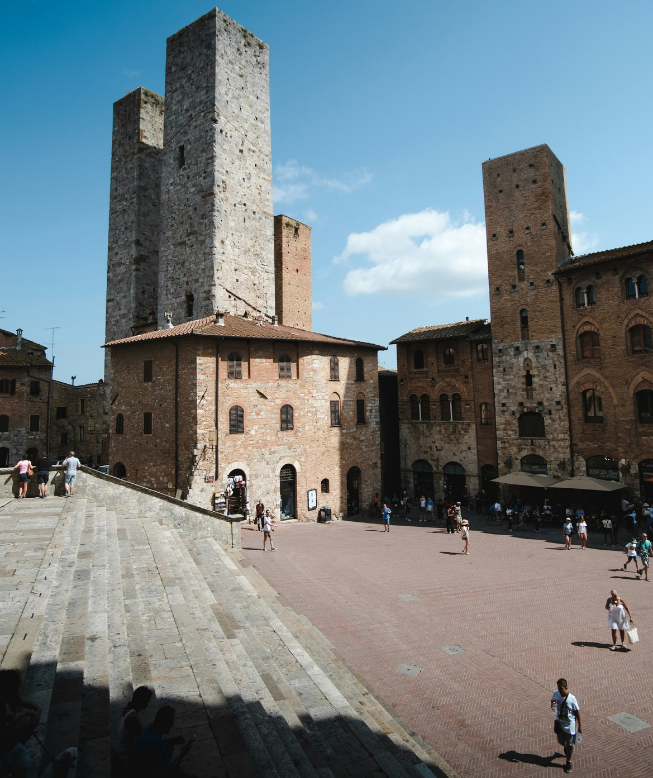
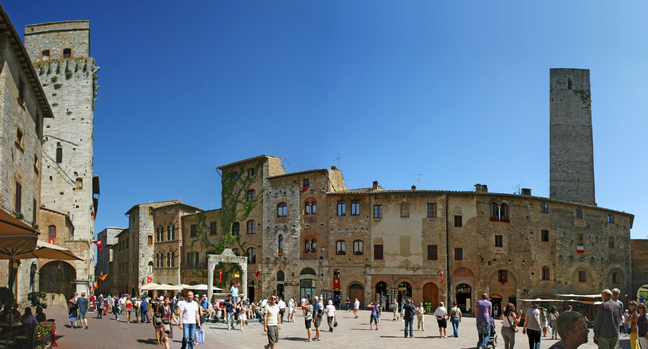
The village, famous for its unmistakable profile of medieval towers, is an exceptional example of a perfectly preserved communal town, still able to tell the story of the political, economic, and social life of the Italian Middle Ages.
The architecture, squares, walls, and urban fabric, which have remained virtually intact over the centuries, have allowed San Gimignano to pass through time without losing its identity, becoming an authentic symbol of Tuscan history and culture. It is precisely this historical and cultural consistency that made the city worthy of UNESCO protection, ensuring that its value can be passed down to future generations.
What is UNESCO
UNESCO (United Nations Educational, Scientific and Cultural Organization) is a specialized UN agency that aims to promote peace and cooperation among peoples through the protection of culture, education, science, and natural heritage.
When a site is included in the UNESCO World Heritage List, it means it possesses an exceptional value recognized globally. It is a shared commitment: to protect, enhance, and pass down those assets that represent the history, identity, and memory of all humanity.